The Therapy Side
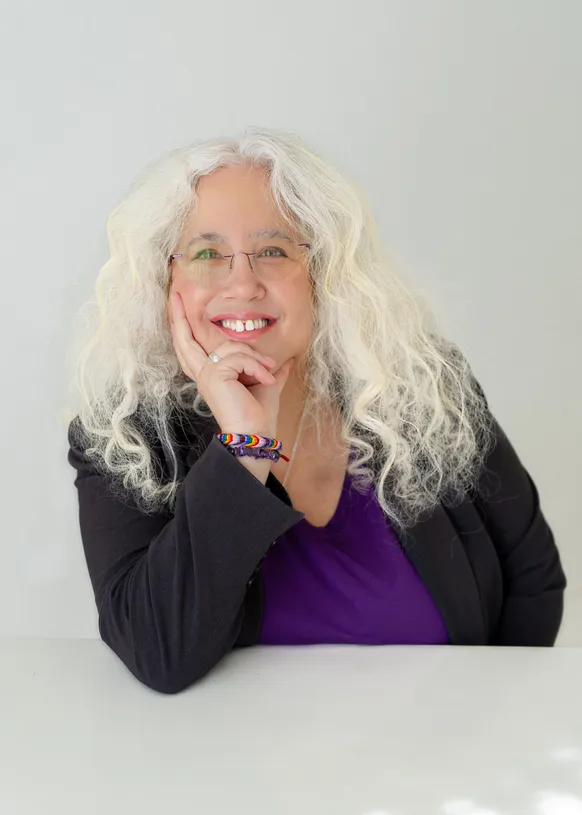
We’ve never met, yet there are two things I know about you:
- You’re the expert on your own life, so you’re the only one who knows what works for you (and what doesn’t).
- You’re the hero of your own story, you don’t need me to save you. However, you might need a sidekick, and I’d be honored if it’s me.
They first question I’ll ask you is “What is your best hope from coming to see me?” in other words – what do you want to gain from coming to therapy. I ask that because I want to know where you want to go on our journey together. Think about going into a taxi– would the driver ask you where you don’t want to go, or where you do want to go? If you choose to tell me your problem, I’ll listen and validate and be empathetic – I just won’t ask about it. Once we figure out where it is that we’re going, we’ll chart a course to get there. Because you’re the expert, you’ll tell me where we’re going, and you’ll tell me when we get there, and we’ll end our journey.
The Education Side
I am a doctoral candidate with National University’s Marriage and Family Therapy program. My MA is from Northcentral University’s Marriage and Family Therapy, with a specialty in Medical Family Therapy. I am a certified thanatologist – which is the professional word for grief counseling. Last, but not least – I am a master practitioner of Neuro-Linguistic Programming (NLP).
The Personal Side
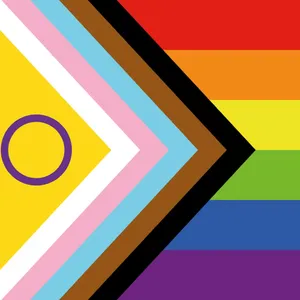
A little more personally: I am a Jewish-Israeli woman with an American citizenship, a feminist, an LGBTQIA+- ally, married to a wonderful man and the homeschooling mother of amazing twin teen girls and a dog. Love to listen to and play music, read, watch TV (you might have realized I love some superheroes by now), walk my dog in nature, and good food.
↓Why do I use personal pronouns in my email signature?
Pronouns suggest the person speaking knows one’s gender – and people often assume they know one’s pronoun by one’s appearance or even just their name. However, some people identify differently than others would assume. They are the ones who constantly need to correct others, which is exhausting and often comes at the cost of having to disclose personal details and social scrutiny.
Using the right pronouns is a way of showing respect and honoring who people are. It’s a signal of emotional safety. As a cisgender woman, most people recognize my pronouns correctly. I have the privilege of not having to work for it. However, by adding my pronouns to my email signature, I send the message that we all deserve the same respect without having to reveal personal details or face social scrutiny. The more people who have the privilege of not needing to specify their pronouns do it voluntarily, the less awkward it is for people who need it.